Lobbying For Brand Engagement
Lobbying for brand engagement has led to some impactful design upgrades for reception areas. Long perceived as just transition spaces, lobbies play a vital role in brand identity and community presence. In contemporary design and hybrid work culture, the lobby has evolved from a circulation zone into a strategic spatial asset that anchors a business within its local context. What was once an overlooked threshold is now a curated environment that redefines the brand experience.
For small businesses in particular, the point of entry isn’t just a pitstop. It’s a storytelling opportunity that should be a curated experience that builds curiosity and deepens brand engagement. Startups, new business ventures, and downsized spaces can capitalize on visibility and presence by rethinking and expanding reception into a brand-focused flexible workspace. This is where arriving serves as a high-impact destination for design storytelling.
Elevating To A Third Space
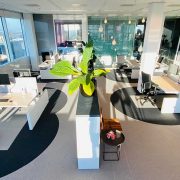
Hybrid workspace design has been instrumental in shifting the way we perceive workspace design and functionality. The shift to more hospitality-driven spaces invites occupants to linger in larger, more comfortable, flexible areas. Lobbies now multitask into more collaborative spaces where clients meet. Team members step away from their offices to work solo or host casual meetings. Company gatherings become more social experiences during the day.
Several factors are driving this trend, including the evolving expectations of a new generation of office users and shifts in the changing landscape of corporate as a community. This is the era of paramount customer experience. As workplaces are becoming increasingly more hybrid, brand messaging has become embedded into a design aesthetic where business presence meets human presence.
Corporate entities are downsizing workspace square footage as remote work continues. If you are located in a busy inner city area, you may find this a great opportunity to merge traditional retail options like public coffee bars, grab-and-go healthy snacks, wellness kiosks, or boutique art gallery pop-ups into your public-facing areas. This new vision treats the lobby as an extension of the city street, blurring the line between inside and out. Lobbies are transforming from pass-through points to vibrant places that enhance occupant experience, as well as a connection point to other buildings nearby, through placemaking strategies. Collaborative branding efforts with similar or complementary businesses can redefine partnership opportunities.
From Wayfinding to Welcoming
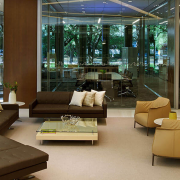
Traditional lobbies focused on function with branded signage, personal receptionist guidance, and practical circulation. Today’s points of entry still need to meet those needs, but they should also delve deeper with an intentional design that shapes how visitors feel the moment they arrive. Borrowing from high-end hotel design, an upscale reception/lobby area should:
- Tell your brand story visually and emotionally through materials, lighting, art, and spatial design that communicates your values before a single word is spoken.
- Act as a hospitality environment with comfortable seating, curated playlists, scent branding, and café elements that transform lobbies into welcoming hangout spaces—not just holding areas.
- Encourage lingering rather than passing through by welcoming users to choose to spend time in a social zone that extends the brand’s influence beyond employees and clients.
Entry as Community Presence
Businesses increasingly use lobbies as an interface with the broader community. Dissolving the hard barrier between public and business spaces allows for some creative use of space. A thoughtfully designed lobby doesn’t just support the organization’s identity; it integrates the business into the surrounding environment. It signals: We’re part of this community, and we’re contributing to it. Borrowing from hospitality design, these spaces can become more like a living room filled with cultural antedotes or civic hubs for hosting:
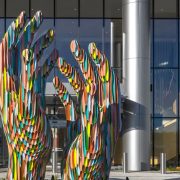
- Pop-up exhibits or installations featuring local artists
- Public events, talks, or workshops
- Partnerships with neighborhood cafés or makers
- Seasonal celebrations or displays that invite foot traffic
Brand Engagement Made Physical
In a digital-first world, physical spaces carry more weight than ever before. Lobbies have become one of the most effective ways for brands to offer a tangible expression of who they are. Every detail communicates meaning. Reach out to local architects and designers for creative input and develop an intentional lobby design strategy that can reinforce your business values and core beliefs through showcasing:
- Innovation — through interactive tech displays or dynamic digital signage
- Sustainability — through biophilic design, recycled materials, or daylight-driven layouts
- Heritage — through curated objects, historical storytelling, or locally inspired elements
- Openness and accessibility — through inclusive seating, intuitive navigation, and warm hospitality
Evolving A Strategic Asset
A point of entry is no longer just the first impression. It’s an ongoing conversation for forward-thinking companies that view their lobby as a strategic tool. Whether you are competing for tenants in an increasingly selective market or seeking ways to reinvent unused space within a downsized environment, the lobby is emerging as a distinctive asset for how your company communicates. These reimagined spaces don’t just serve a building’s occupants; they can activate street life, become a terraced third workspace that supports local commerce, and revitalize the cultural fabric of neighborhoods. Blurring the lines between public and private into working and living allows reception lobby areas to rise as an opportunity to redesign how you see the future. Projecting your business acumen into a threshold for:
- Brand differentiation
- Recruitment and talent attraction
- Client experience
- Place-making and community goodwill
- Cultural expression and storytelling
Why the Lobby Matters More Than Ever
As we enter into more interactions that happen online, the moments that happen in person carry varying significance. When someone steps into your lobby, as a guest, employee, partner, or curious neighbor, they’re stepping into brand engagement. In that sense, a modern reception area operates as a hybrid living room, gallery, café, and meeting place. It’s a space where people gather comfortably to collaborate, discover, and become part of something. This is where workplace culture becomes visible as well as tangible. And increasingly, it’s where community and brand engagement connect.
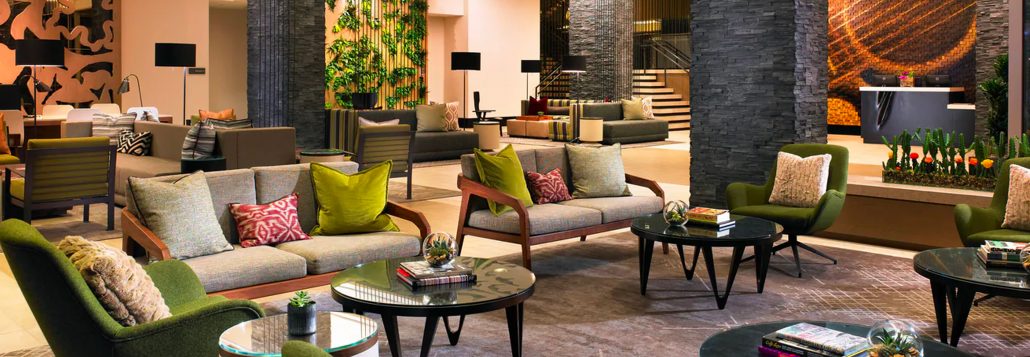
A conversation with our team of designers and planners will provide practical feedback for your ideas to help upgrade your reception area. For some local modern hospitality design inspiration, visit the Westin Austin Downtown and experience a world-class brand engagement experience for yourself!
Photo Westin Austin Downtown
 INSPIRED WORKSPACES: Our goal is to partner with you on your business journey to help you find viable solutions that navigate current and future trends, immediate needs, and changes that require immediate attention within your inspired workspace. Contact us at 512-448-3769 or experts@officefurniturenow.com