
Designing A Shared Culture Experience
Designing for a shared culture experience deepens connection across every level. In Austin’s maker-driven, informal culture, work moves forward because people know each other, not because process says they should. Deepening connection is directly tied to performance. It doesn’t come from efficiency alone; it comes from how quickly people help each other.
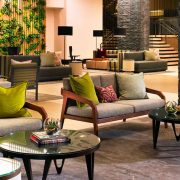
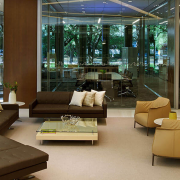
Hybrid office design was created to increase trust collisions, not square-foot utilization. Designing offices to increase spontaneous, informal, and meaningful face-to-face experiences requires moving away from maximizing desk density and toward creating intentional, shared spaces that encourage human connection. Trust is built through these casual encounters, which are essential for fostering a sense of community, improving team cohesion, and facilitating the exchange of ideas that rarely happen in virtual or rigid, hyper-efficient environments.
Social Connection Directly Drives Performance
A shared cultural experience becomes a network for solving problems or navigating challenges. By reinventing the office design into one that provides shared tools, shared problem-solving decisions, and focuses on providing visible solutions, connection happens spontaneously. When employees can see each other solving real issues in real time, performance deepens. An office design that feels more like a workshop than a showroom signals a “we build things together here” attitude. Open collaboration spaces provide clients with the same transparency about your partnership for their needs. What this looks like is:
- A central makerspace that mirrors East Austin workshops, community co-working spaces, and places where collaboration is practical, not performative.
- Performance impact encourages people to ask for help sooner. Knowledge transfers faster. Small problems don’t escalate.
- Result: Community problem-solving thrives on mutual assistance where competence is social, not siloed.
Big Meetings Become Casual Connections
Hybrid workspaces have done a fantastic job of integrating gathering spaces across the office landscape so that conversations can happen anywhere, anytime. If your company has embraced scheduled meetings, create overlap-time spaces with compact, standing-height furniture, placed where paths naturally cross, and designate them for 5–15 minute interactions. Repeated low-stakes interactions build trust, which reduces friction. Connecting these areas to the community reinforces the local commitment and the client-facing side of meetings:
- Build social spaces like a terrace or roof-top gathering space for informal, shared, and inclusive gatherings.
- Make active work visible with bulletin boards in community spaces for live interaction.
- Result: Build random encounters with weekly coffee breaks, food trucks onsite, or patio time where relationships form naturally.
Replace Culture Messaging With Shared Labor
Replace performance-driven inspiration posters like vision and mission statement messaging with shared labor events. This creates a stronger, more authentic workplace shared culture experience through goals, trust, and actionable community-based initiatives. Instead of focusing on top-down communication, this shift emphasizes that culture is created through how people treat each other and work together daily. Co-building and co-maintaining a space allows teams to collectively build dividers, signage, and storage. Rotating responsibility for upkeep integrates problem-solving. Focus on changing existing systems and processes that have not worked to communicate and rebuild a truly effective, sustainable culture that fosters collaboration:
- Pivot to cross-functional projects that require employees from different departments to participate in a shared culture experience by working together, breaking down silos, and sharing different problem-solving methods.
- Knowledge sharing creates an environment of trust where employees can easily communicate through regular all-hands meetings, breakout sessions, lunch-and-learns, pop-up venues, and community events.
- Result: Shared effort increases psychological safety and accountability, because people work harder for groups they’ve built things with.
Build Social Memory Into The Space
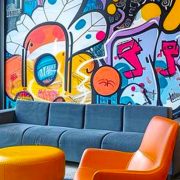
Building social memory into a workspace involves deeper brand storytelling that creates a memorable experience for both your team and your clients. Create intentionally themed social hubs, using artifacts that display history. This fosters serendipitous interactions and can form the basis for digital platforms that document team stories and shared knowledge.
- Aligning with rotating local build partners like artists, craftspeople, and community events is how creative economies flourish.
- Performance impacts make employees feel seen. Belonging increases. Retention and discretionary effort rise.
- Result: Reuse culture values history and narrative where objects become social anchors.
Contributing Factors
Maybe you’re noticing a slowdown in new business development or a general reset, causing reluctant engagement with new clients or your teams. This is precisely the time to capitalize on the process of engaging your teams with concepts that deepen connection. Developing a shared cultural experience also builds stronger client-facing methodologies that create a deeper connection. Building resilience within will foster solid growth, influence consumer demand, and inspire the workplace into an evolving, collective. A workplace environment that visibly reflects contribution, effort, and mutual reliance is a powerhouse. Teams form stronger social bonds, make faster decisions, share risks earlier, and recover more quickly when there is a sense of resilience built into the team culture. Each one of these social concepts builds upon presence and solving problems together.
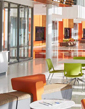
Design by Genlser, Edelman, Los Angeles. Photo by Ryan Gobuty.
 OUR DESIGN TEAM encourages these discussions so we can help you navigate these design upgrades together. We love a great design story. Get inspired by a visit to our Inspired Workspaces. Then contact us at 512-448-3769 or experts@officefurniturenow.com for a more in-depth conversation about your next-level design strategy.